TriDav Partners
Created videos Youtube Playlists The Realness Niagara Falls photos
In Loving Memory DJE 70's Wayback Machine World Without End - Videos & Stories Dr. T's Health Check , Ancestry Ontario's North Birds of Niagara Niagara's Architecture TriDav Partners Info Contact IMO, what's yours? Backroads - Short Stories HOME

The Winter of our Content. Courage, Faith, Hope, Peace, Joy, The Realness, True Love, Calmness, The Light and snow, lots and lots of snow :)
The Luck of Brin's Five. by Cherry Wilder.
This is a story that told of a man who crashed on a planet where he was adopted and accepted by a local multi generational alien family. This alien culture saw caring and helping any living being who was in some way challenged or different, as an honour and a priviledge. To be able to help care for someone very elderly, disabled, ill or diverse was seen as being lucky, as it was a way to add to society's growth in empathy and kindness
When you don't understand, lean in more. When it challenges your intelligence, lean in more. When it makes you feel stupid… lean in more.
When we're faced with ideas, innovations and information that we don't understand – the natural human response is to lean out. To dismiss. To protect our ego.
But the key is to reserve the temptation of judgement.
Ask honest questions:
Why am I believing what I believe?
Is it possible that I'm wrong?
Do I know what I'm talking about?
Am I leaning out because I don't understand?
Those that have the patience and conviction to do this will undoubtedly own the future.
Those that don't will continue to be left behind.
What are you leaning out of right now that you should be leaning into?
-The Diary of a CEO.
Scroll Down
The old Power Station soon to be turned into a luxury hotel

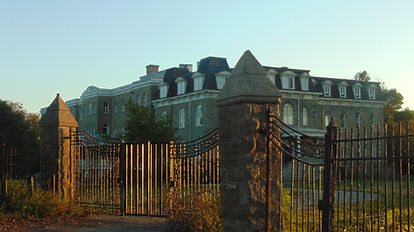
Loretto Academy - closed in 2006. New development pending for $1 billion luxury hotel & condo
Oak Hall - view from Dufferin Islands. Current Admin office for Niagara Parks

More photos below of Niagara's architecture and designs. The Niagara Parks Commission takes wonderful care of the 'tourist' area, it really is beautiful at all times of the year. It's not just about the Falls, although they are magnificent on their own!! See below for Niagara's history


